
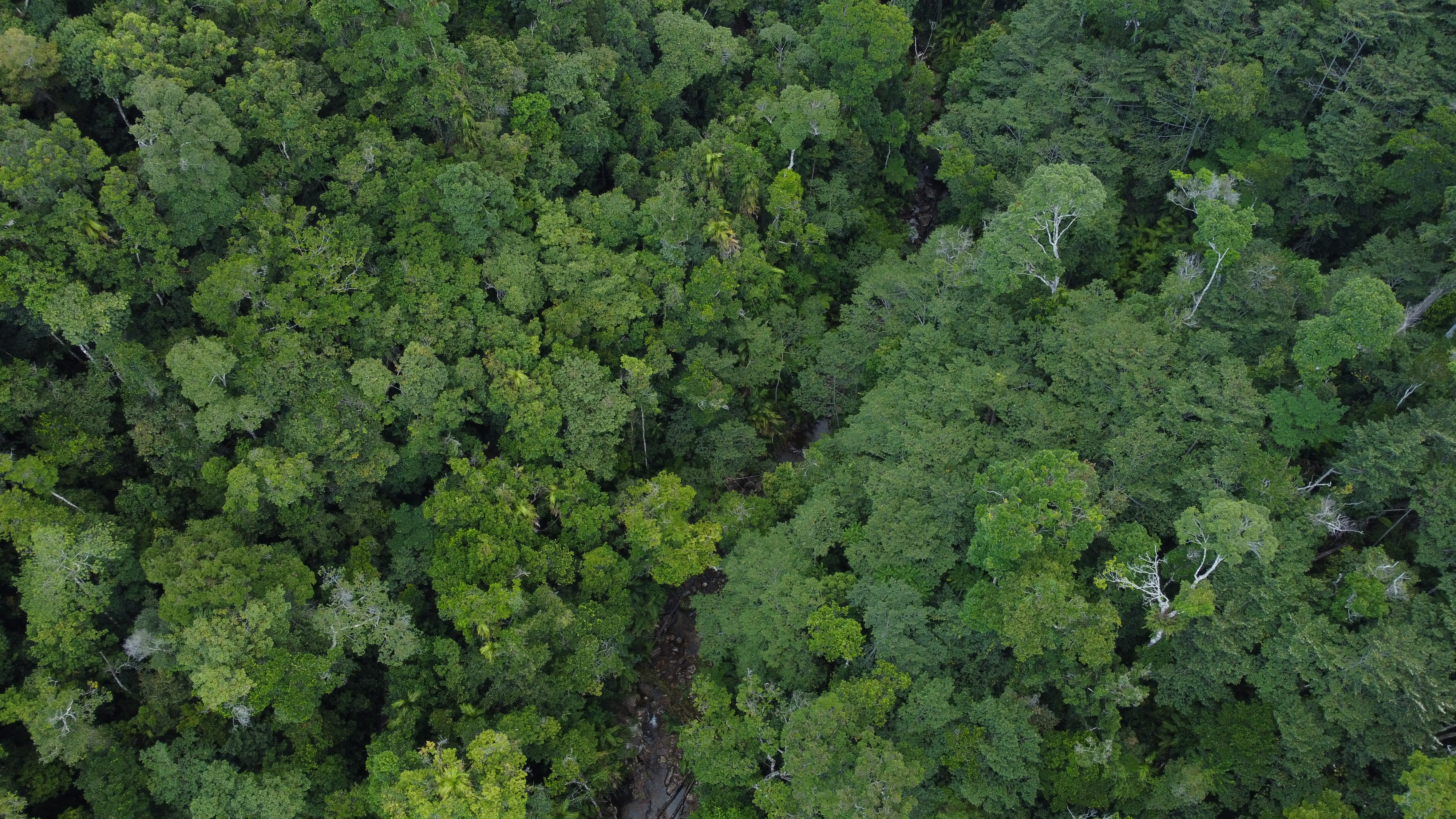
Investigating the adaptive capacity of tropical trees to climate change
TropAdapt is an experiment dedicated to understanding how tropical tree species have adapted to historical climatic conditions, and how this in turn affects their ability to respond to future climate change.
Tropical rainforests are vital for climate regulation, carbon storage, and biodiversity conservation. It is commonly thought that tropical rainforest species have adapted to a narrow temperature range, making them particularly vulnerable to rapid climate change. However, complex topography within these regions creates local climatic conditions that vary significantly across different elevations. This spatial variation can lead to population differences in climate sensitivity within a species, affecting how they will respond to changing environmental conditions. Understanding the causes of this within-species variation is crucial for developing effective conservation and restoration practices. Despite its importance, there is a notable lack of research on these dynamics in tropical systems.
In early 2022, we sourced saplings from lowland and high elevation populations of 16 tree species. These saplings were reciprocally planted in common gardens at three field sites with varying climatic and soil conditions. Our research tracks growth and survival over time and includes measurement campaigns focused on physiological traits related to leaf gas exchange, heat tolerance, plant hydraulics and leaf morphology. This approach allows us to investigate how trait acclimation and adaptation influence within-species responses to climate change, and how this varies across species.
The project is located in the Wet Tropics World Heritage Area of far north Queensland, Australia.
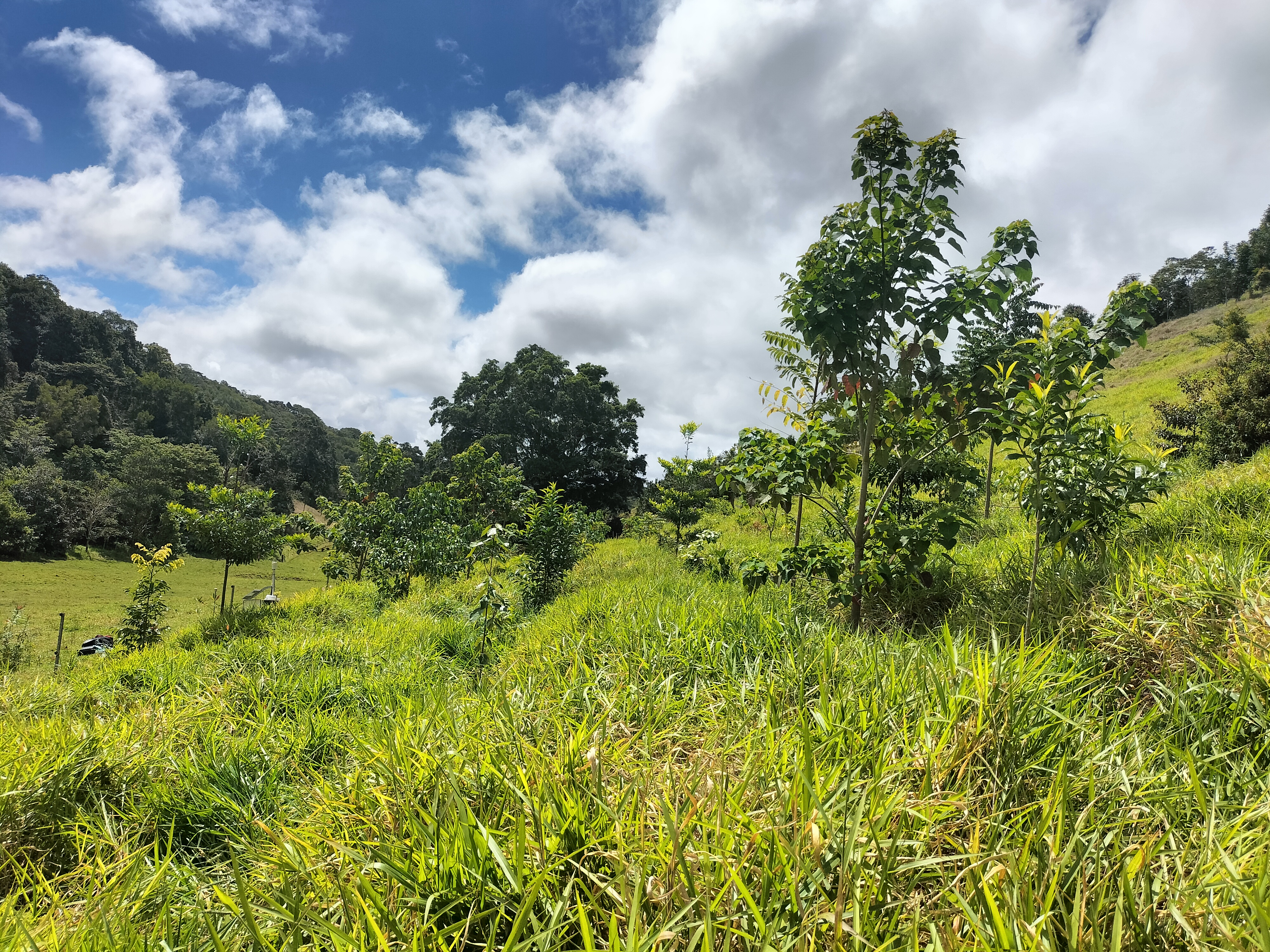
Thiaki Creek nature reserve
Set at an elevation of 980 m a.s.l, Thiaki Creek is our upland trial. It has nutrient-rich soils, an annual mean temperature of 19 °C and rainfall of 2264 mm.
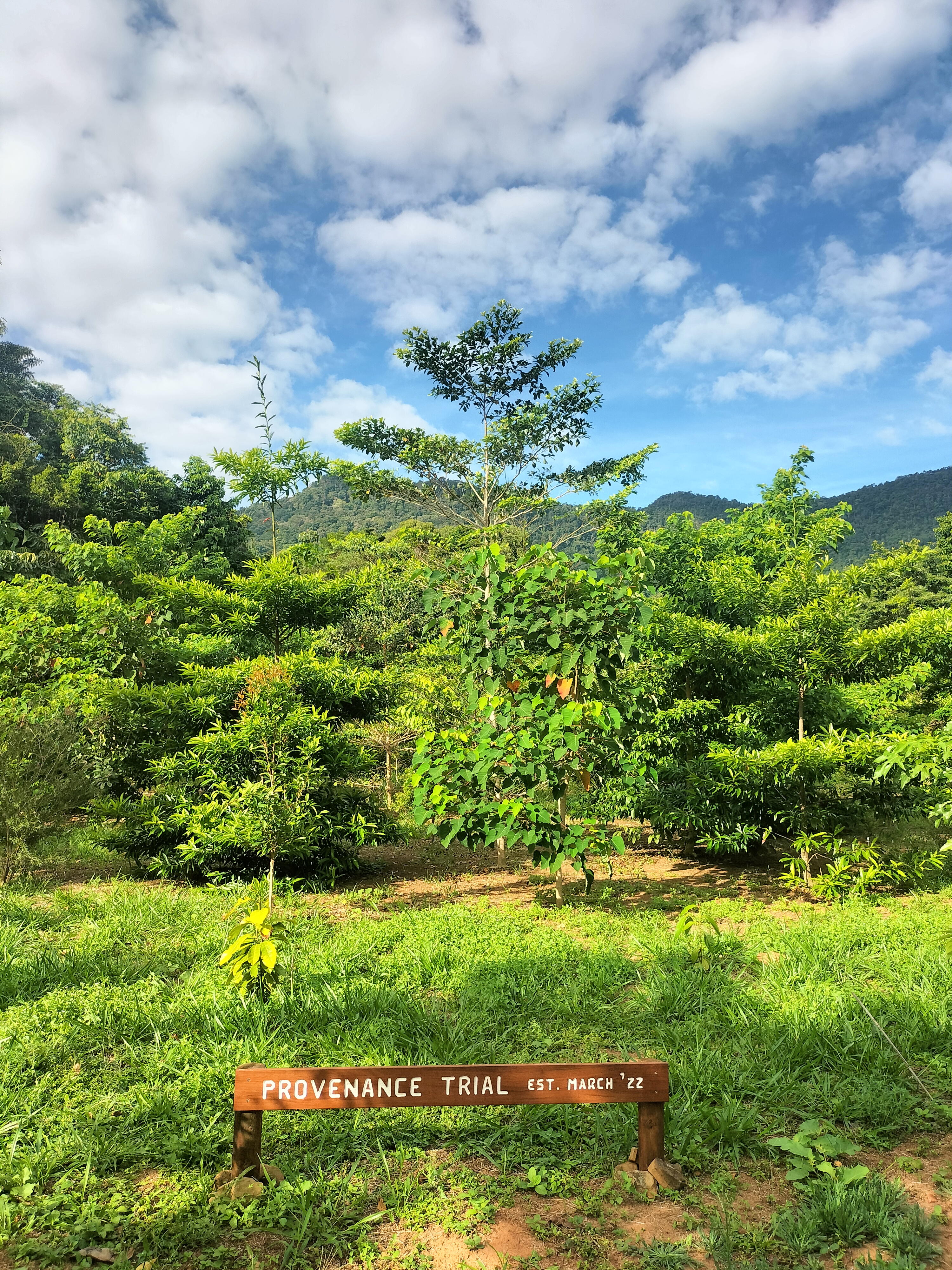
Daintree Rainforest Observatory
Our first lowland trial is set at a research station 52 m a.s.l. The site is nutrient rich, has an annual mean temperature of 25 °C and rainfall of 3026 mm.
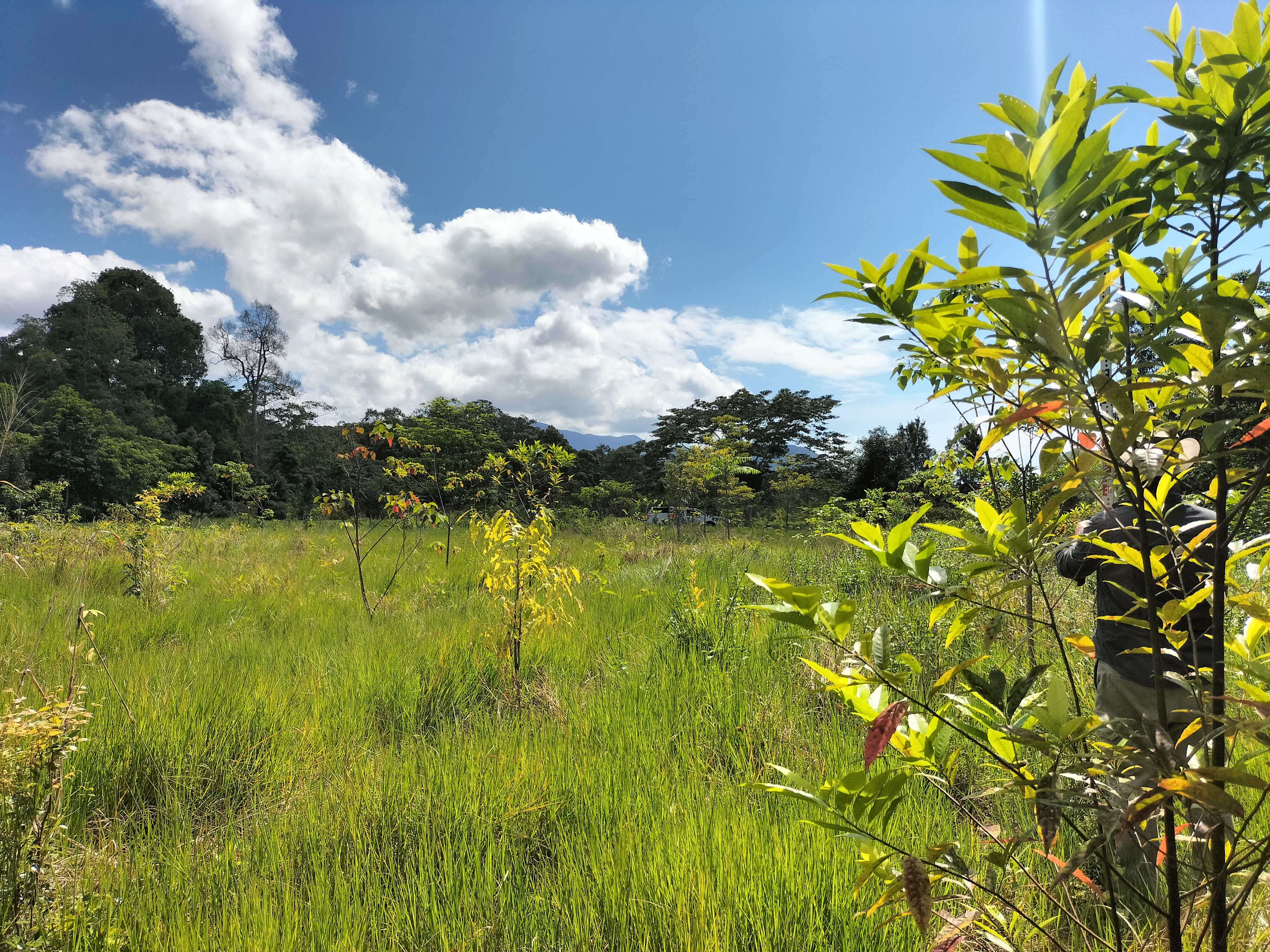
Cow Bay old airstrip
Our second lowland trial is only 13 km from the Daintree Rainforest Observatory and has a similar climate. However, its soils have low nutrient availability.
Lead institution

Project partners


 TropAdapt