
This project examines how plant growth and survival and leaf morphology and physiology are affected by provenance, site and their interaction in a range of tropical rainforest species. In doing so we aim to understand more about the adaptive capacity and acclimation potential of tropical rainforests, which can be used to improve rainforest conservation efforts.
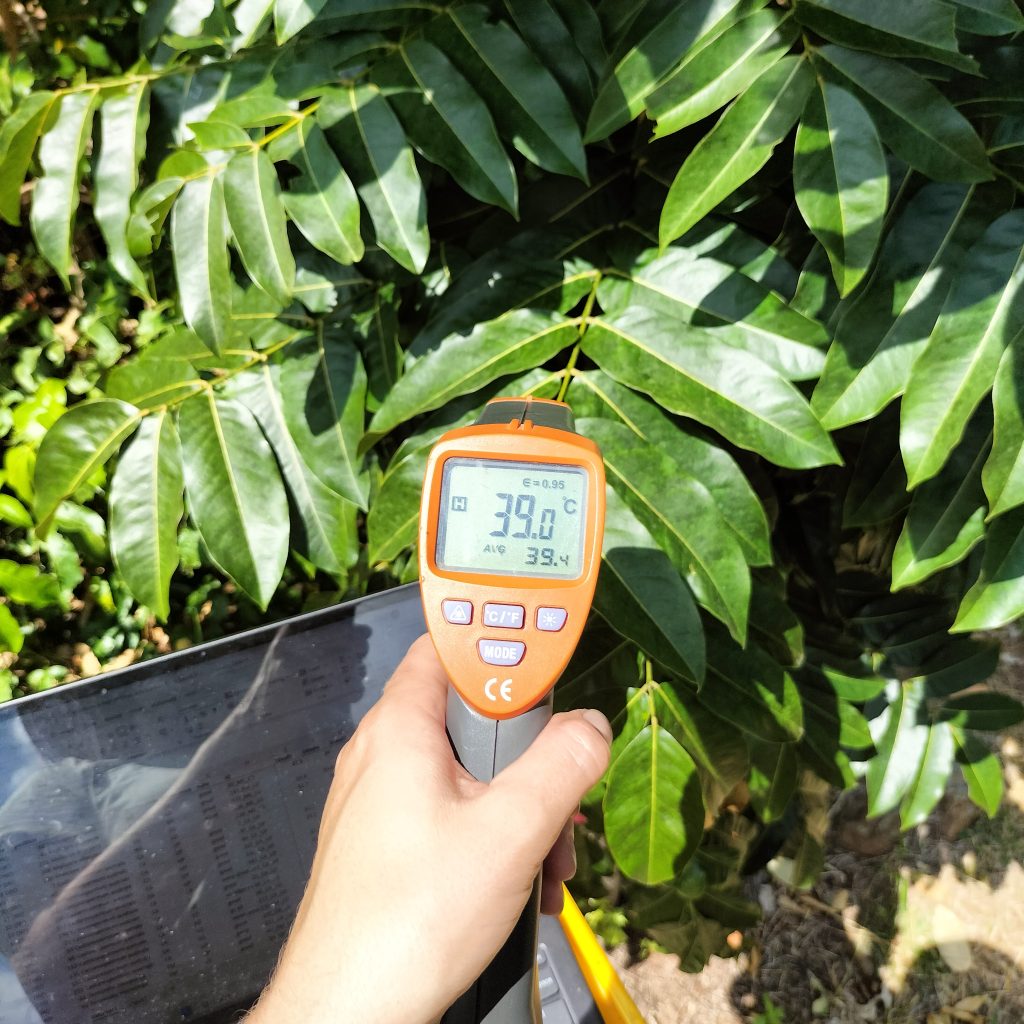
Thermal safety margins
How hot do leaves get, and what temperatures can they tolerate? We investigated these questions, and whether lowland and upland provenances differed at the Daintree site. We found lowland and upland origin plants differed in their leaf temperatures and photosynthetic heat tolerance but not their thermal safety margins. This indicates that even if a population has adaptive advantages to cope with heat stress, it may not be better off than a population without these advantages. Read more about this work in our new paper:
Middleby et al. (2024) Ecotypic variation in leaf thermoregulation and heat tolerance but not thermal safety margins in tropical trees. Plant, Cell, and Environment. https://onlinelibrary.wiley.com/doi/10.1111/pce.15141
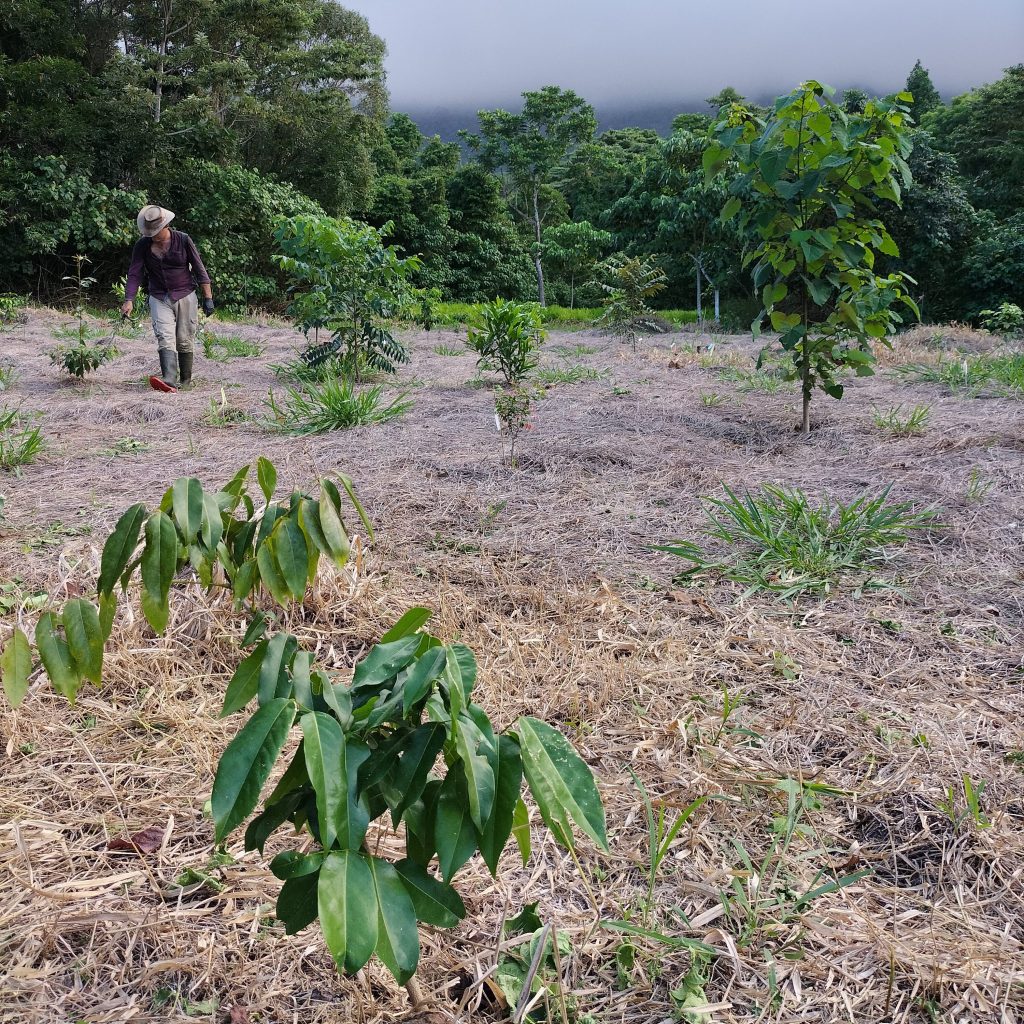
Growth and survival
How prevalent is local adaptation in tropical trees? We attempt to answer this question by assessing site and provenance effects on growth and survival. A link to preliminary results are soon to be published here.
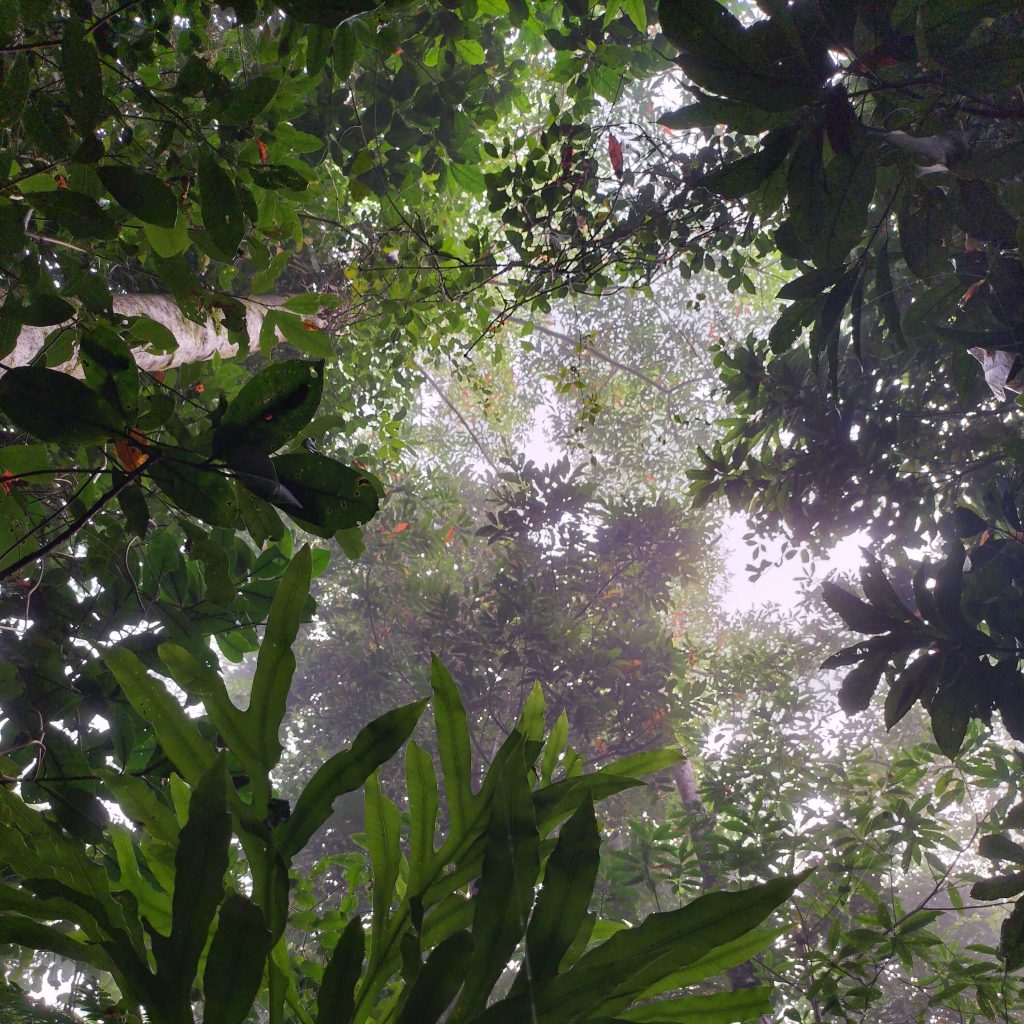
Stomatal sensitivity to atmospheric dryness
Across elevation gradients both temperature and atmospheric dryness changes, and stomata (tiny pores in the leaves that control gas exchange) must trade off between conserving water or maintaining carbon uptake/leaf cooling. This project will examine these tradeoffs at the Daintree and Thiaki sites. Stay tuned!

